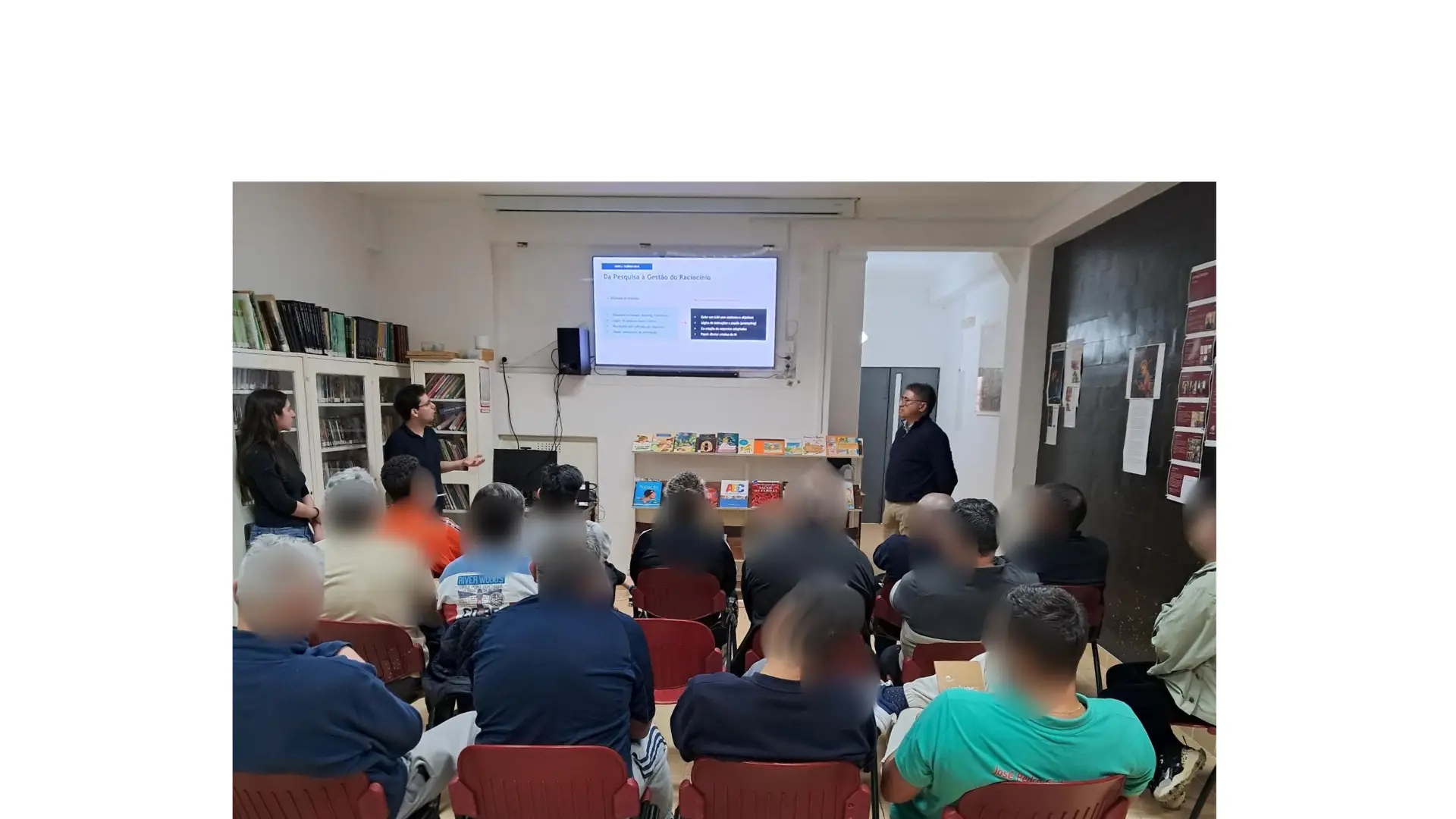
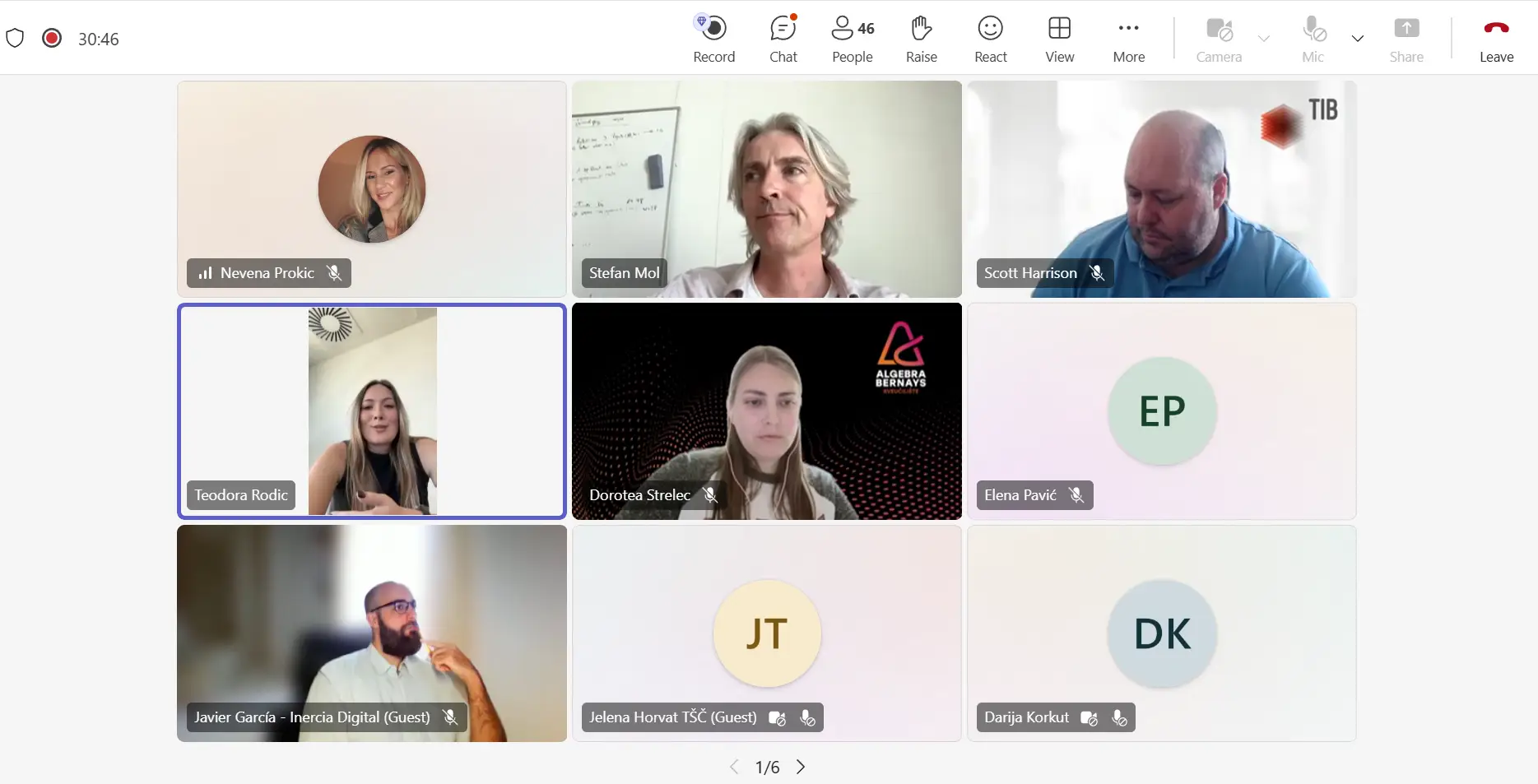
How do you integrate generative AI into education without losing critical thinking – through proactive adaptation and redesigning assessments for Gen Z learners? This was at the core of a recent webinar on how AI is reshaping the educational landscape and impacting Gen Z, bringing together speakers from academia, innovation ecosystems, and research to explore the impact of large language models (LLMs) on modern learning.
From an academic and student perspective, engaging with tools like Claude, ChatGPT, and Gemini is not just about adopting technology, it is about managing it. While these tools offer instant answers and 24/7 tutoring, they introduce unique psychological challenges. The biggest challenge lies in preventing a “zombie effect,” where automated convenience replaces cognitive effort and quietly undermines students’ self-trust, confidence, and original expression.
This is where proactive assessment redesign becomes essential. Educators and institutions are stepping away from traditional take-home essays toward more classroom engagement, proctored exams, and innovative grading methods. Academic partners are shifting the focus from factual output and speed to valuing genuine human curiosity, independent judgment, and real-life problem-solving.
One of the key strengths of a well-integrated AI approach is its ability to teach students how to engage critically with technology. Novel approaches, such as building course-specific chatbots for student feedback or challenging learners to directly outperform AI-generated work templates, show great promise. At the same time, this format prepares Gen Z for a rapidly changing labor market, teaching them to use AI not just to go faster, but to go further by refining prompts and evaluating data.
However, the rapid shift towards AI is not without its challenges. The depth of knowledge remains an ongoing concern, as over-reliance on LLMs can lead to shallow synthesis and a degradation of domain expertise. There are also looming questions regarding global digital access, psychological well-being, and the inherent biases or ownership of the AI models themselves.
For these reasons, generative AI is increasingly seen not as a shortcut, but as a catalyst for a broader, hybrid approach to education. When combined with mentoring, human emotion, and authentic real-world examples from professors, it offers a powerful way to support independent thinking and deep skill acquisition.
Ultimately, the discussion highlighted a simple but important point: technology and independent human thought need each other. Generative AI, when guided by critical reasoning, can bridge the gap, bringing powerful automation to tasks while leaving space for true originality and unique human perspective.
If you like to catch up with the webinar, full recording is below: